You Could Be Arrested For Taking This From A Hotel
From shampoo bottles to bathrobes - here’s what’s yours to keep and what could get you in trouble.
What Can You Really Take from a Hotel Room?
There’s a quiet, unspoken question every traveler has faced at least once: Can I take this home? A pair of soft slippers. A tiny bottle of shampoo. A pen with the hotel’s name on it. A bathrobe.
It feels harmless. Almost like a souvenir. But somewhere between a complimentary toiletry and a plush bathrobe lies a line- and crossing it can turn a small indulgence into something far more serious.
Let’s explore where that line really is.
✅ Things You Can Usually Take
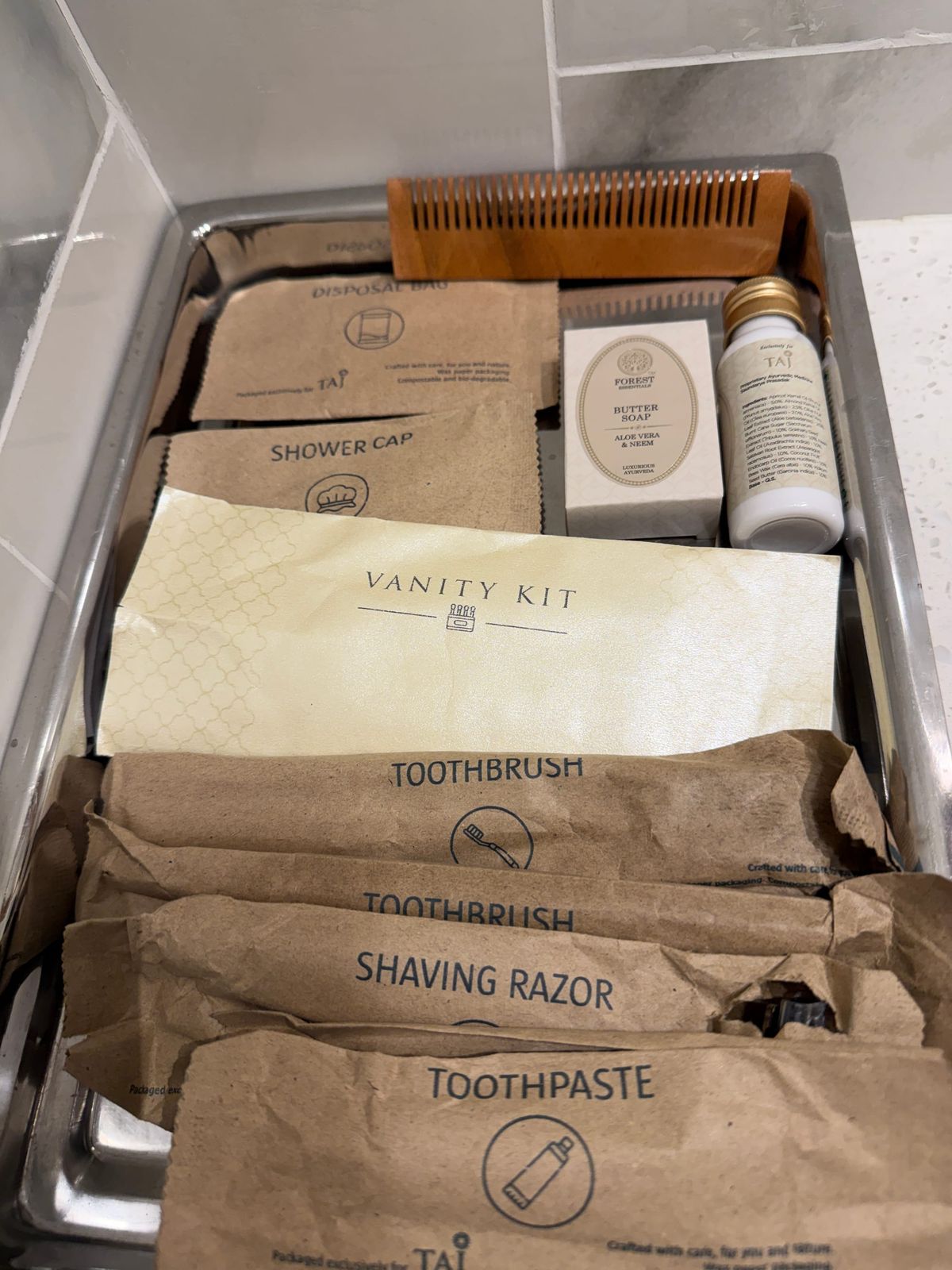
Hotels often expect and even encourage you to take certain items. These are built into the cost of your stay and hotels consider them as free advertisement.
Common complimentary items:
- Toiletries (shampoo, conditioner, lotion, soap)
- Slippers
- Stationery (pens, notepads, postcards)
- Tea, coffee, milk/ creamer sachets, sugar
- Disposable items like shower capsThese are considered single-use or low-cost branded items, often part of the hotel’s marketing strategy.
According to hospitality insights, hotels often treat these as brand touchpoints—items guests take home and remember the stay by.
⚠️ Things You Should Not Take
Then there are items that may feel tempting… but are not meant to leave the room.
These include:
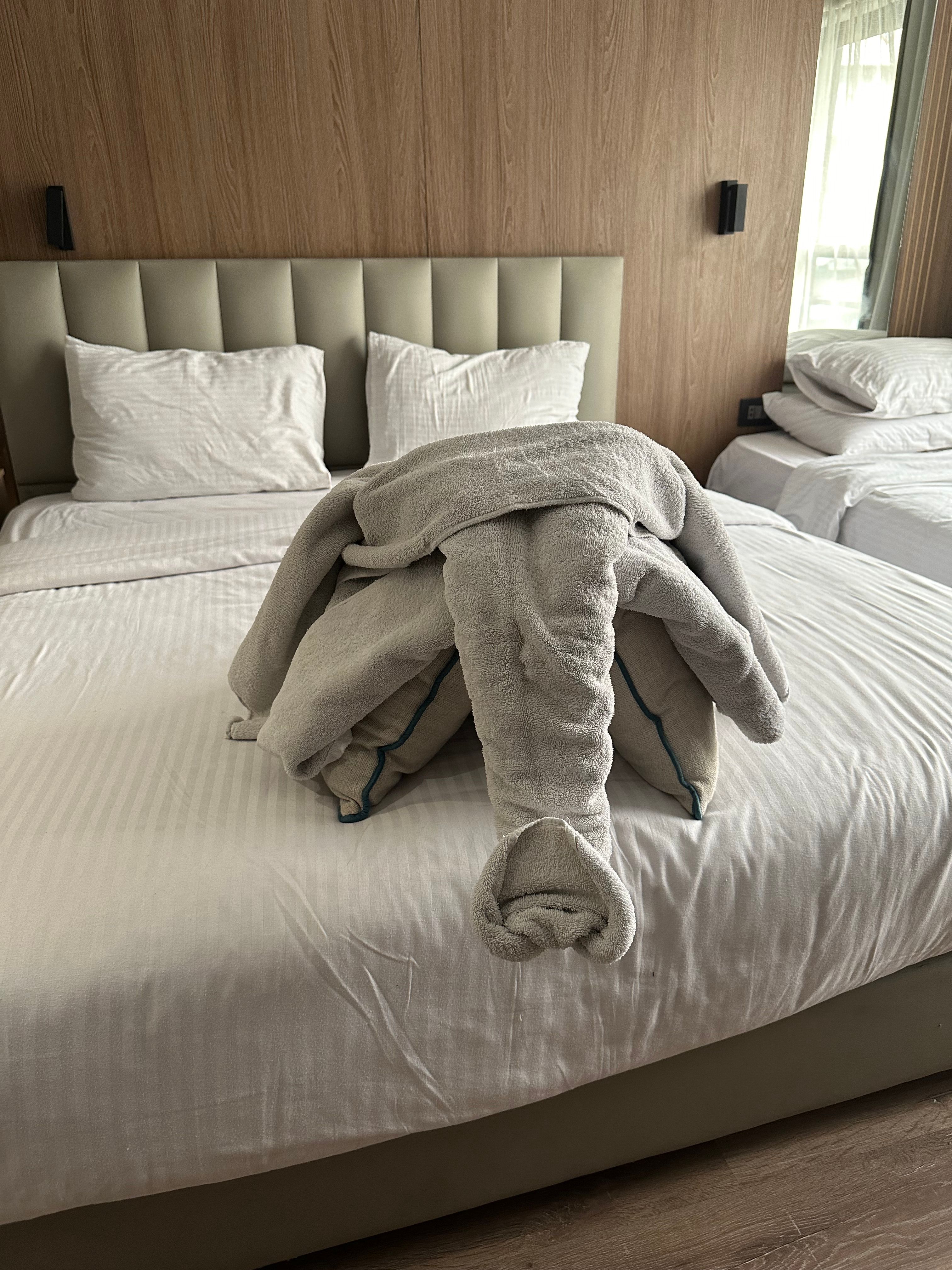
- Towels
- Bathrobes (in some hotels, a guest may be given a monogrammed robe as a gift, but this will be clearly mentioned).
- Bedsheets, pillows, blankets
- Hairdryers, kettles, irons
- Decorative items (lamps, artwork, cushions, paintings)
- Electronics (TV remotes, speakers, tablets, clocks, tea/ coffee makers)
- The Bible (unless it is explicitly mentioned that it is a complimentary ciopy).
Even umbrellas (often branded) are usually not complimentary unless specified.
These items are considered hotel property, not guest amenities. If you really like something and want to take it, call the front desk to ask. Sometimes hotels give you certain items at a charge.
💳 What Actually Happens If You Take Them?
Most hotels won’t confront you dramatically.
Instead, they’ll simply charge your credit card on file after checkout (that’s why they usually charge your credit card for a reverse credit when you check in).
Hotels maintain inventory lists, and housekeeping reports missing items. Many properties already have standard replacement costs built into their systems.
⚖️ Can You Get Into Legal Trouble?
Yes, depending on the situation.
In some countries, including Japan and Nigeria, theft from hotel rooms is taken very seriously, resulting in arrests for taking items like towels, robes and even designer ash trays.
Hospitality and legal guidance referenced in industry resources indicate that while most cases are handled quietly, intentional or repeated theft can escalate legally.
In extreme scenarios, guests can be:
- Blacklisted by hotel chains
- Reported for theft (which may lead to fines or legal action depending on local laws)
🤍 The Grey Area
Some items sit in a confusing middle ground:
- Branded mugs
- Laundry bags
- Tote bags
- Beach flip-flops (in resorts)
The safest rule?
If it’s reusable and not obviously disposable, it likely isn’t meant to be taken, unless clearly stated.
✨ A Simple Rule to Remember
If you’re unsure, ask yourself:
Was this meant to be replaced after I used it… or after I took it?
That one question usually gives you the answer.
🌿 A Thought to Leave With
Travel is about collecting memories, not things.
The best souvenirs are rarely found in hotel rooms, they’re found in the quiet moments, the views, the stories you carry back with you.
And those…
no hotel will ever charge you for 😃
Happy Travels, Yogi 💕
Subscribe to my newsletter if not already done https://yogi-travels.ghost.io
Follow me on X , Follow me on Medium