How To Identify Scammers While You Book Flights
If you’ve been contacted by someone claiming to book or issue tickets, it’s important to know the red flags.
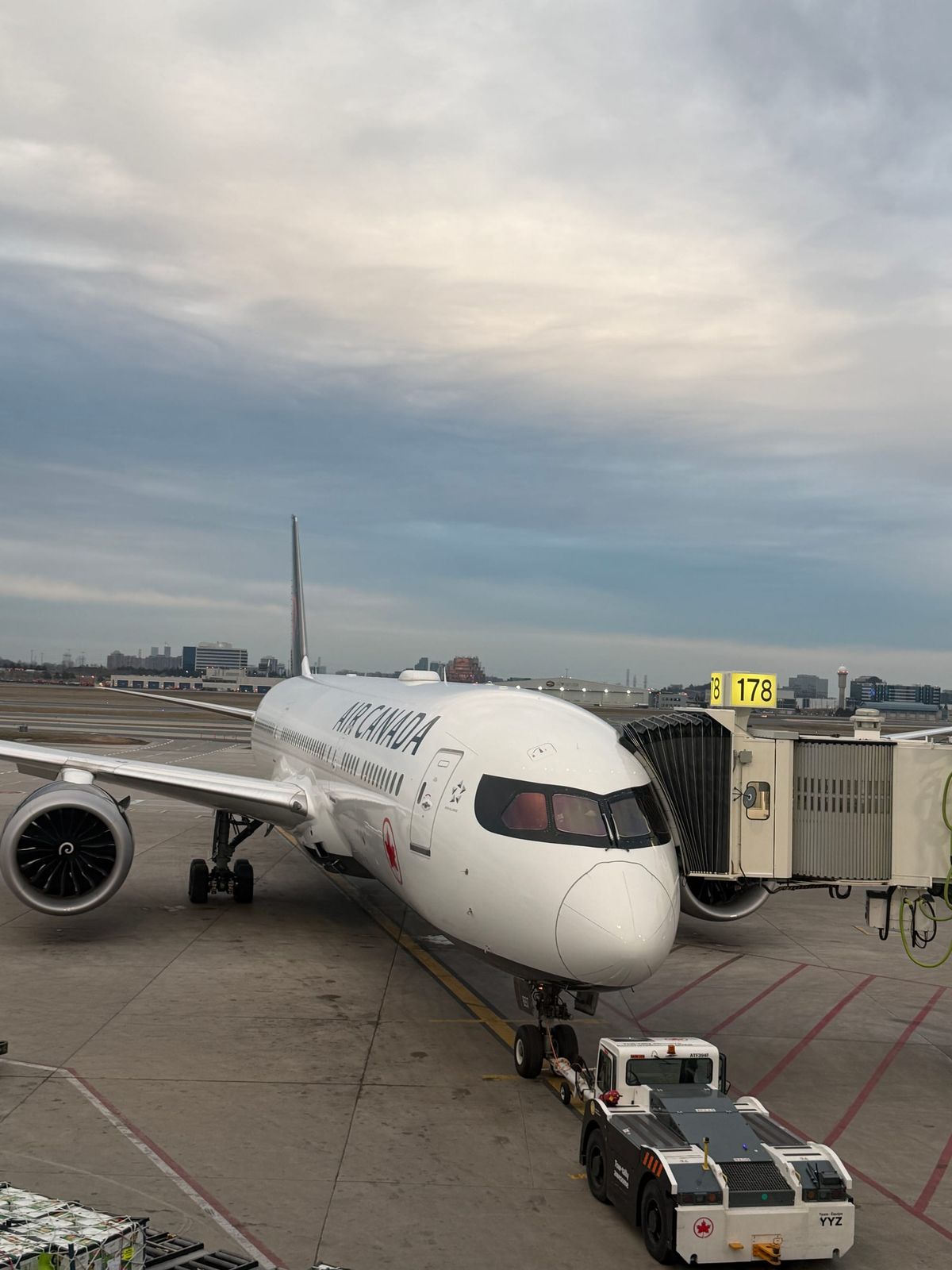
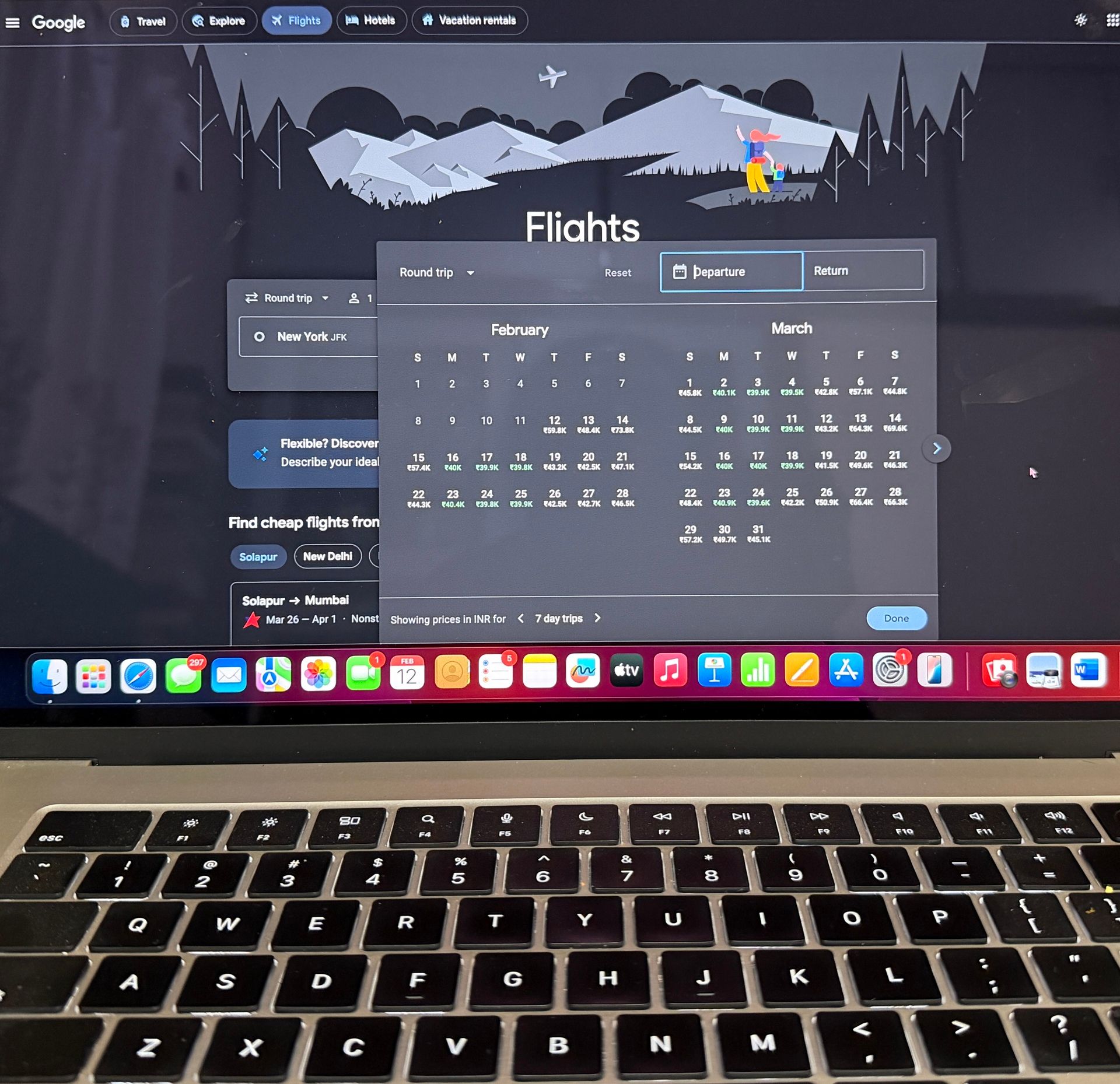
Nowadays, most of us use Google Flights, Skyscanner or similar platforms to book flights. Sometimes, we just try different options, even give out personal details and then leave the site without booking. Or sometimes, you just go to the wrong site!
Hackers manage to steal your data and they contact you by email or even on phone, pretending to be legitimate travel agents or sites.
Here’s how to identify them:
1. The Price Is Too Good — And It Feels Urgent
If a flight is dramatically cheaper than every other platform, pause.
Scammers often lure travelers with “limited time” discounts that are far below market rates. The catch? You’re told to act immediately or lose the deal.
Check properly before closing such deals.
2. The Website Looks Real — But Something Feels Off
Fraudulent booking websites are becoming increasingly sophisticated. Logos look familiar. Fonts are copied. Even airline names can be slightly misspelled in ways you won’t immediately notice.
Before entering payment details, check:
- Does the URL start with “https”?
- Is the domain spelled correctly?
- Is there a customer service number that actually works?
- Are there verified reviews outside the site?
If the website only accepts bank transfers, cryptocurrency, or gift cards — that’s a major red flag.
Legitimate platforms offer secure card payments and trusted gateways.
3. Check the Sender’s email address
An email may look genuine and professional with logos, but double check the sender’s address. Look carefully for misspellings or unusual domains.
Authentic travel agents and Airlines have their own domains and would never email you from a Hotmail, Gmail or other free email service.
4. You’re Asked to Move the Conversation Off-Platform
Scammers often start on social media or messaging apps and then ask you to continue the transaction privately.
They may claim to have access to “staff tickets,” “corporate discounts,” or “special airline insider fares.”
Once you leave a verified platform and move to direct messaging, you lose buyer protection.
If someone insists on payment through a personal account or sends you a screenshot instead of an official booking reference — walk away.
5. Never Share Sensitive Information
Do not share passwords, bank details or personal information over email, phone or instant message.
Avoid clicking suspicious links or downloading attachments from unexpected messages.
How To Protect Yourself
Here are some simple rules:
Book directly from airline websites or well-known travel platforms.
Use credit cards whenever possible — they offer stronger fraud protection than debit cards or bank transfers.
Enable transaction alerts on your banking app.
And when in doubt, compare prices across multiple legitimate platforms before committing.
Ok, so you think you are already scammed 😅. How will you confirm it?
A common scam involves sending fake booking confirmations that look legitimate.
To know if you have been scammed, verify your reservation directly on the airline’s official website using the PNR (booking reference). If the reference doesn’t exist, or customer service can’t locate your ticket — you’ve likely been scammed.
What to Do If You Are Scammed?
Contact your Bank or Credit Card company immediately.
- Ask your bank if they can stop or reverse the payment (for example, through a chargeback) and report the fraudulent transaction. Banks can also investigate and potentially block the scammer’s account to help prevent further fraud.
Pray hard 😅
If you have any other tips or you want to share an experience, please do reply back. I would love to hear from you!
Follow me on X
Follow me on Medium
Safe travels!
-Yogi 😃