A Part Of Egypt People Rarely Talk About
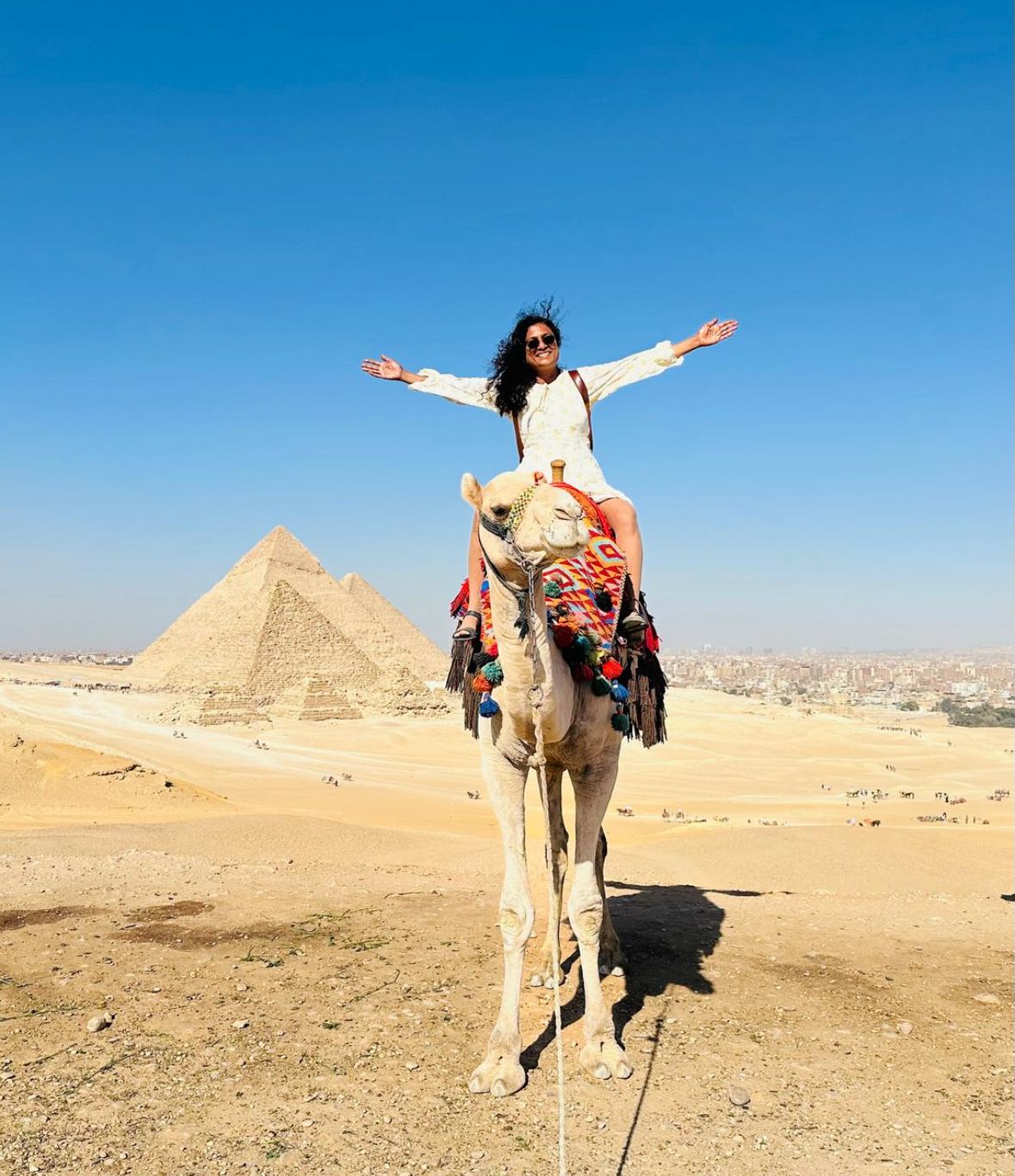
Egypt is always associated with the pyramids, the Sphinx and of course, Mummies! But Egypt is much more than that and one of the amazing experiences is visiting a Nubian village.
A Nubian Village in Aswan: A Kaleidoscope of Colors, Crocodiles, and Culinary Delights
Near Aswan, lies a hidden gem that feels like stepping into another world entirely: the Nubian Village.
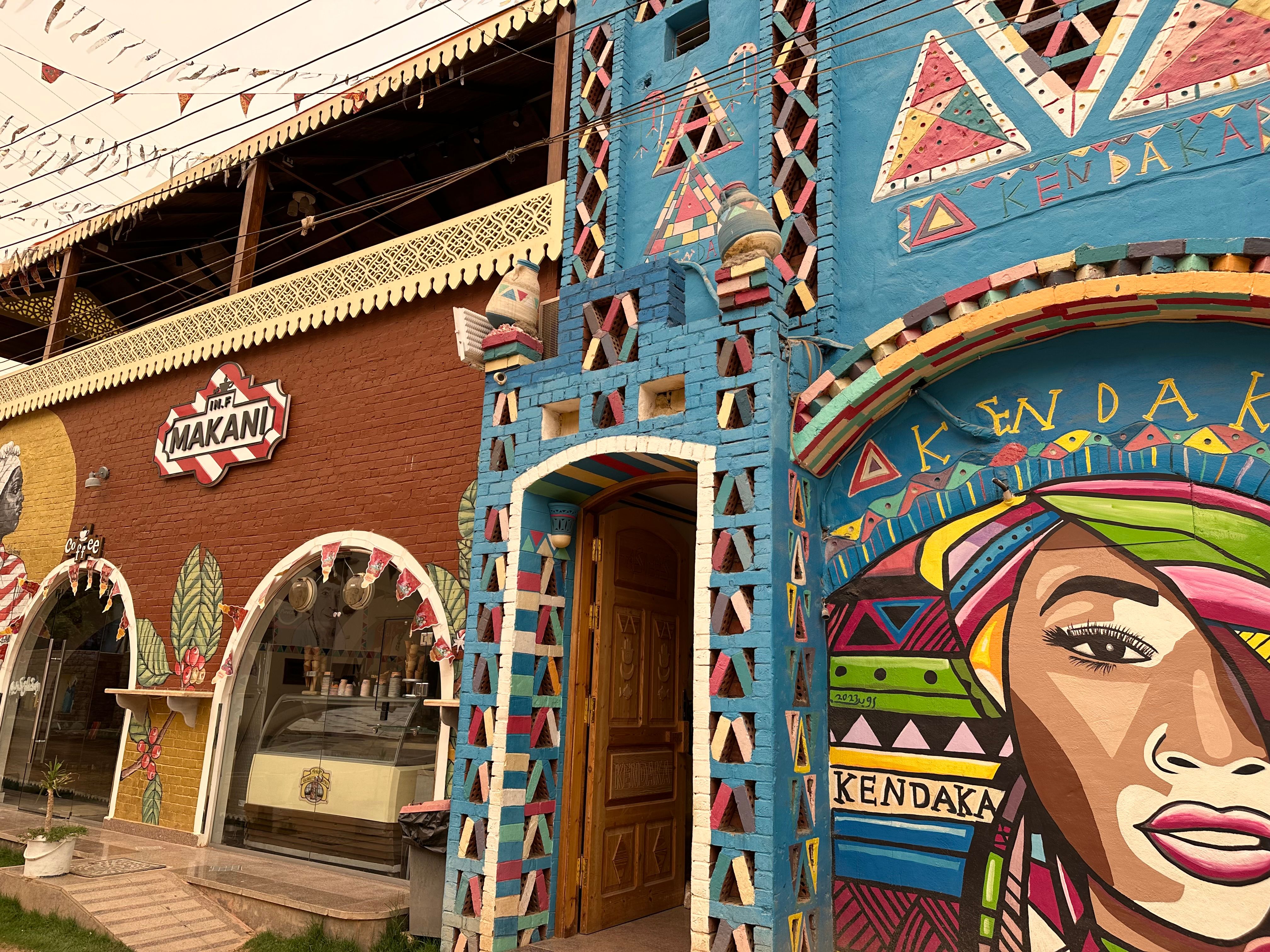
The Nubian village is like walking into a Crayola factory explosion (in the best way possible)
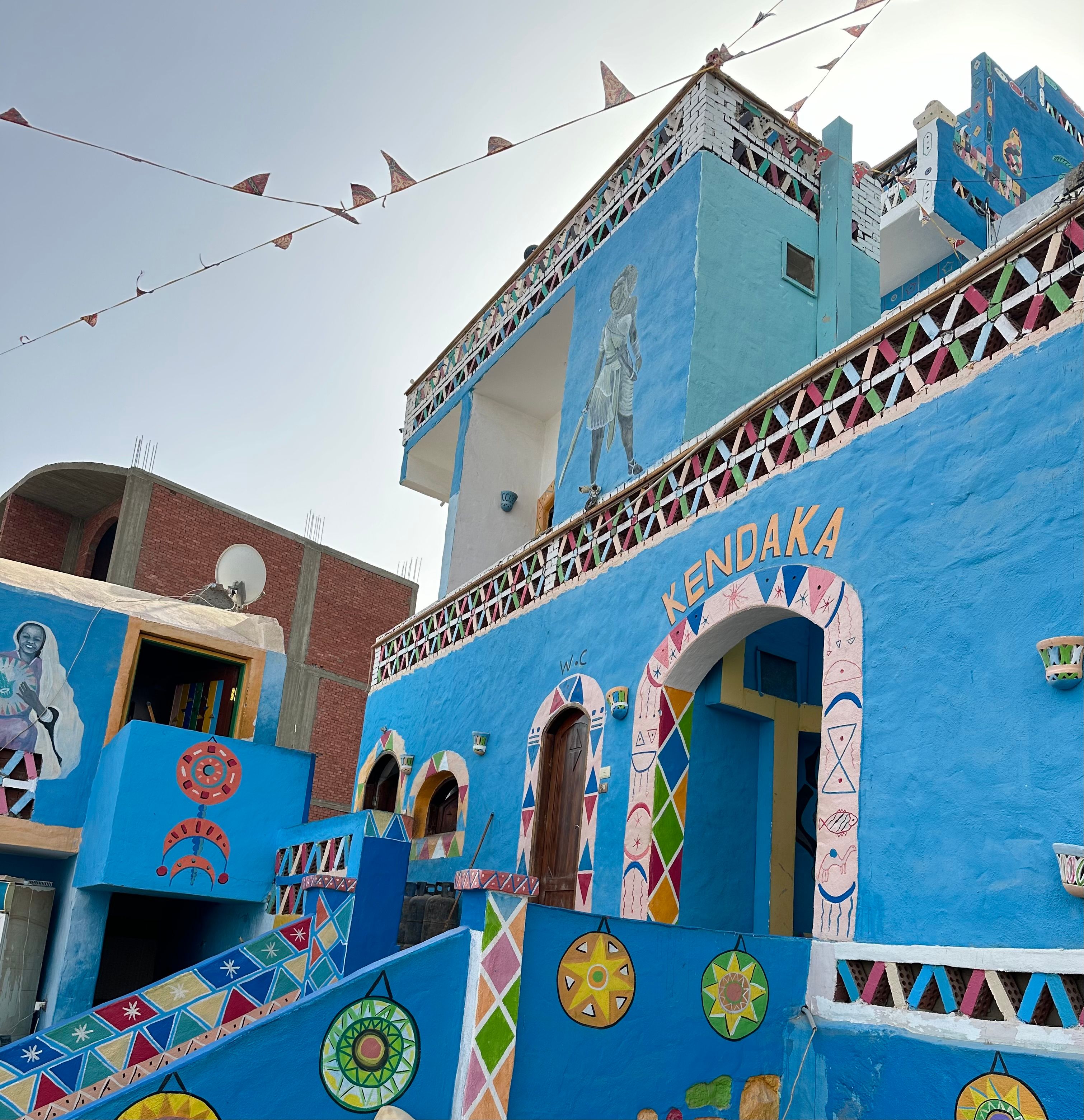
Here, every home is a rainbow, painted with shades of bright blues, greens, pinks, yellows – you name it! Each wall is a canvas filled with intricate patterns, animals, plants, and mysterious symbols. The bright geometric patterns aren't just for show. Triangles represent the mountains, zig-zags symbolize the Nile, and the bright blues, yellows, and oranges reflect the sky, sand, and sun.
Prayers for Crocodiles? Yes, You Read That Right
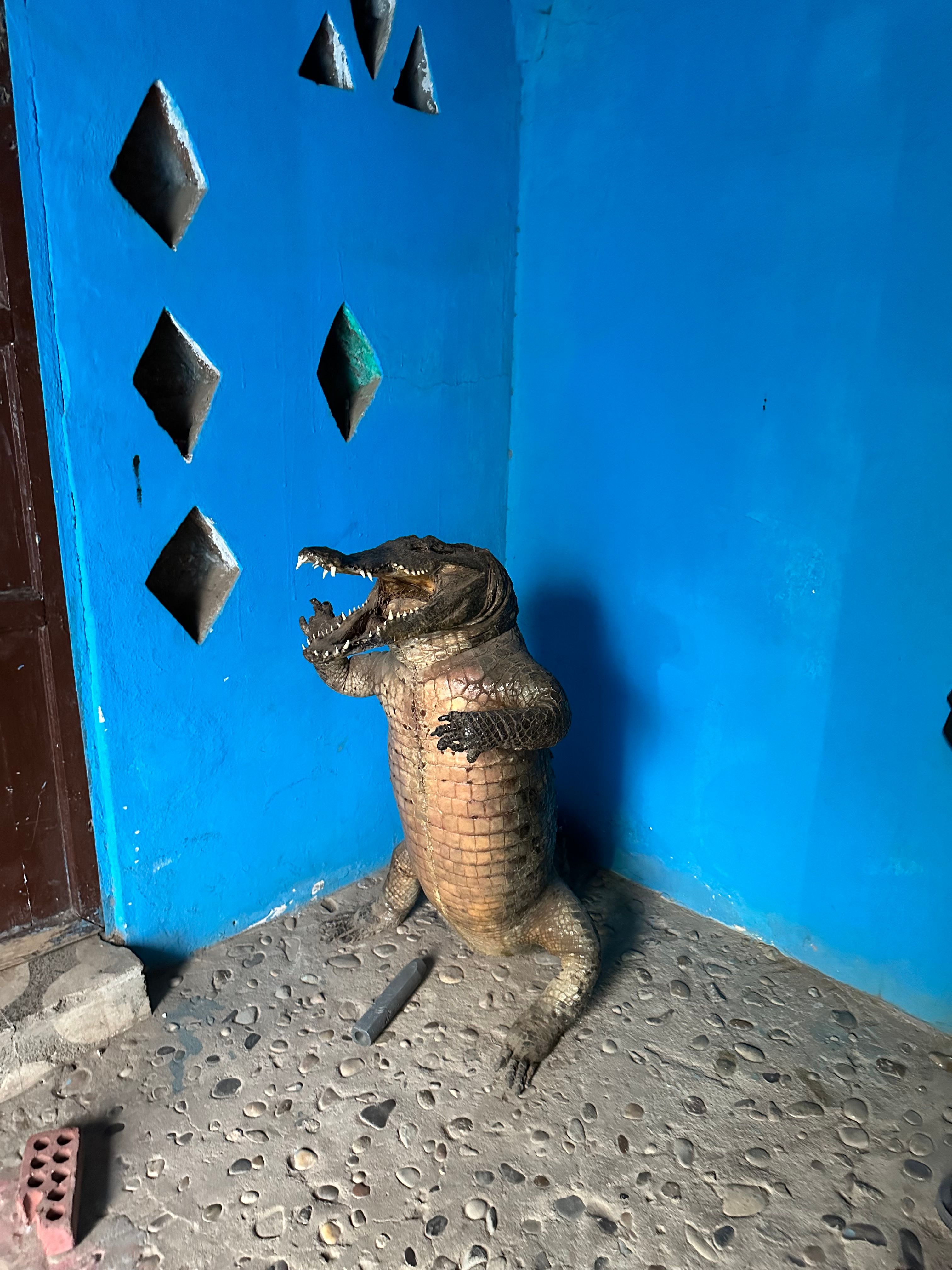
There’s an old belief that crocodiles ward off evil spirits, so some Nubian families keep crocs in tanks as living lucky charms. Historically, Nubians believed this protected the household from the "evil eye" and showcased the strength of the inhabitants. Yes, it’s real – I visited a house where two crocodiles lounged in a tank. They even had a stuffed crocodile to keep the spirits appeased (you can see the pic). Sobek is the crocodile God that they worship.
And now my favorite part -the FOOD 😍😍
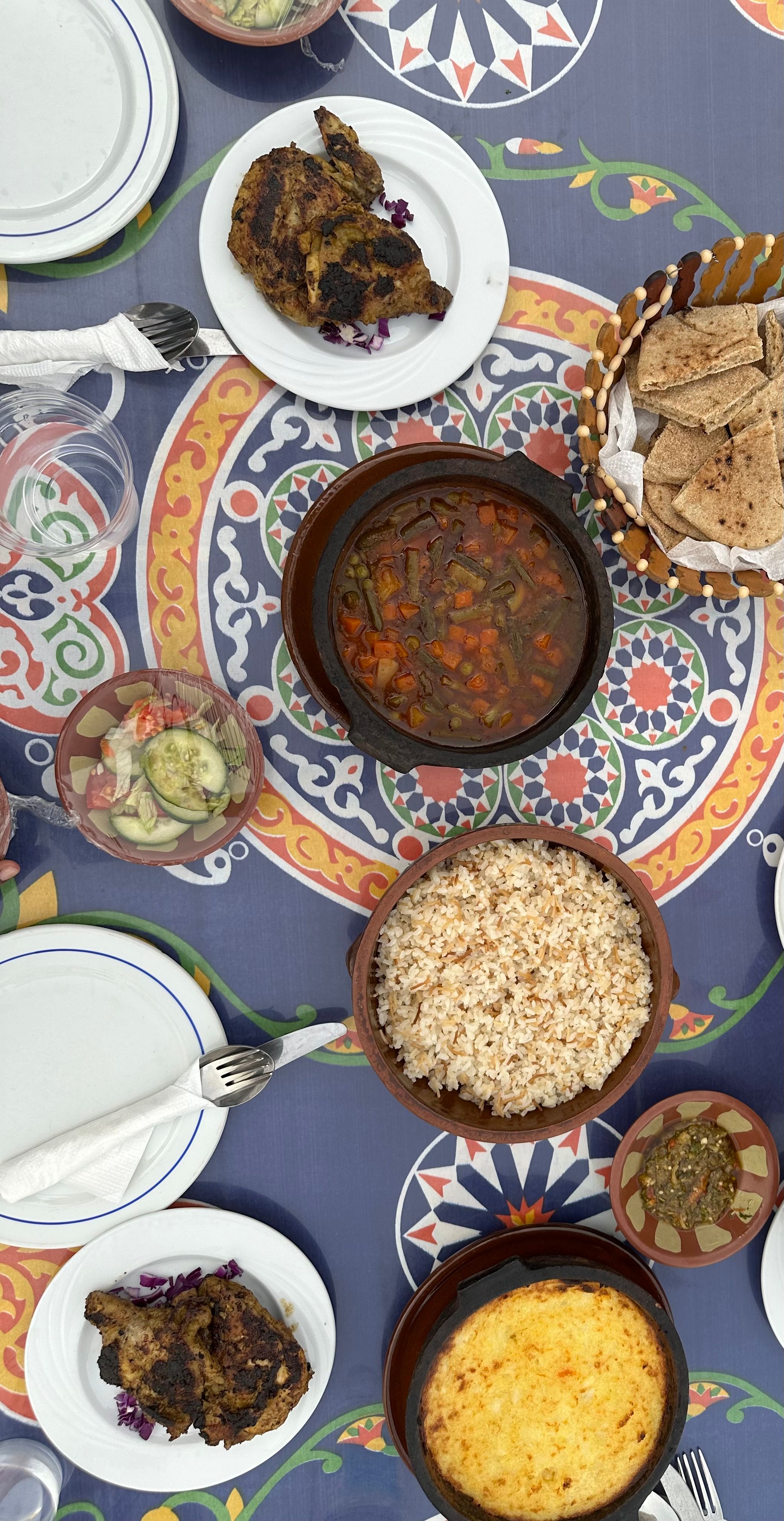
There’s chicken and veggies (for vegetarians) cooked in stone vessels. Try fatta, a Nubian specialty made with layers of rice, bread, and meat soaked in a garlic and vinegar sauce
And, of course, there’s Nubian tea, fragrant and infused with herbs like hibiscus and mint, served in tiny glass cups. It’s a perfect refresher after a hot day of exploring and a reminder that some of the simplest things in life can be the most delightful. If you are strolling in the market, be ready to be invited in for Karkade (hibiscus tea) or traditional coffee spiced with ginger, known as Gabbana. The hospitality isn't a performance; it’s a core cultural pillar
The Nubian people are the indigenous inhabitants of the central Nile valley, with a language and culture distinct from Northern Egypt. Despite being displaced by the construction of the Aswan High Dam in the 1960s, they have fiercely preserved their identity.
While most speak Arabic, you’ll hear the older generations speaking Nobiin, a language that remains largely unwritten and passed down through oral tradition.
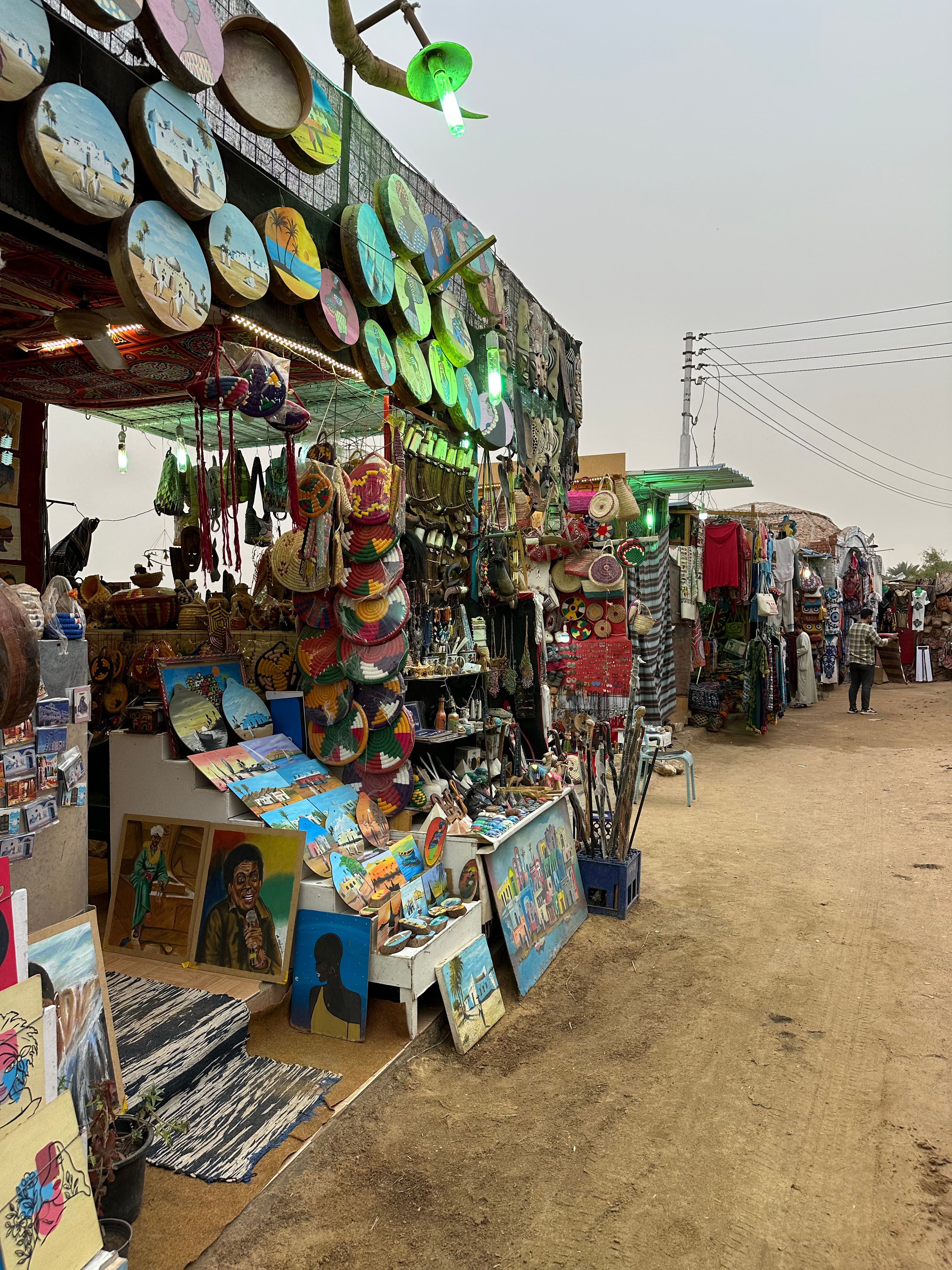
After your meal, take a stroll through the bustling markets, where you’ll find handmade jewelry, vibrant textiles, and crafts that celebrate Nubian artistry. You might catch a band of locals singing traditional songs, with drums and clapping. The local markets (souqs) are filled with hand-woven baskets, stuffed animals, colorful beadwork, and natural spices that scent the air with cumin and sandalwood.
The magic of a Nubian village isn't just in the photos you'll take, it's in the slower pace of life and the warmth of a community that has called the banks of the Nile home since the dawn of civilization. Overall, don’t miss this experience- definitely recommended if you visit Egypt!
I am curious. Did you hear of Nubian villages before this? I didn’t know until I visited Egypt.
Happy Travels, Yogi 💕
Subscribe to my newsletter if not already done https://yogi-travels.ghost.io
Follow me on X , Follow me on Medium